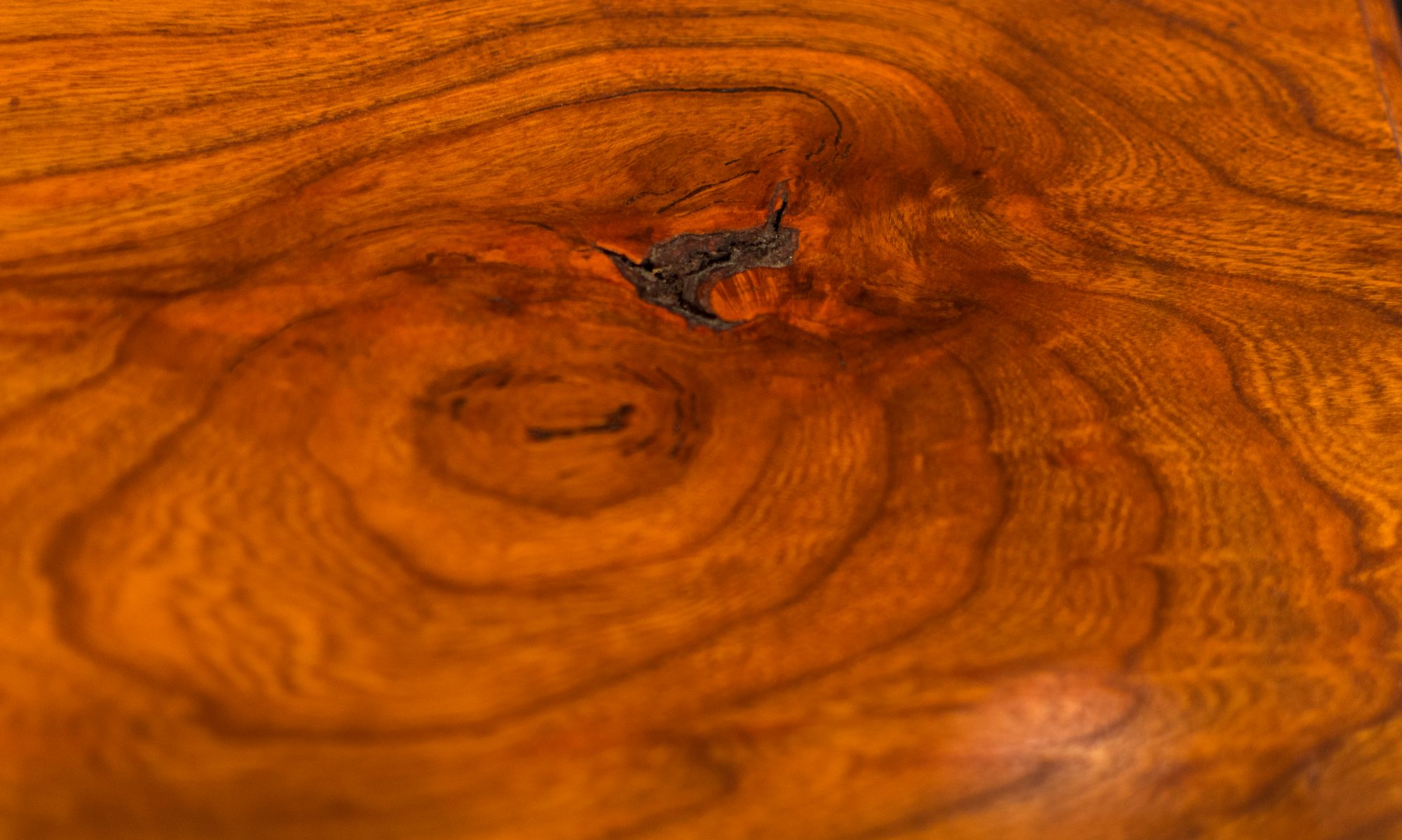
There’s a unique satisfaction that comes from working with your hands, transforming raw materials into something beautiful and functional. Woodworking, in particular, offers this profound sense of creation, blending artistry with meticulous craftsmanship. It’s more than just cutting and joining pieces of wood; it’s about understanding the material, visualizing the end product, and executing each step with precision and patience. This blend of skill and dedication is what elevates a simple piece of timber into a lasting work of art, much like a carefully planned strategy that yields impressive results.
Think about the journey of a woodworking project, from selecting the right type of wood to the final finish. Every decision matters: the grain, the cuts, the joints, the sanding. A subtle miscalculation can alter the entire outcome. This demands not only technical proficiency but also a deep intuition for the material and a keen eye for detail. The satisfaction isn’t just in the finished piece, but in the process itself, in each small victory of alignment and perfection. It’s a continuous learning curve, where every project sharpens your skills and understanding.
One of the most appealing aspects of woodworking is its therapeutic quality. The focus required silences the noise of daily life, allowing for a meditative state where creativity can truly flourish. The tactile sensation of the wood, the rhythmic sound of tools, and the slow reveal of the form all contribute to a deeply engaging and rewarding experience. It’s a craft that encourages mindfulness and a profound connection to the natural world.
From my own observations, mastering woodworking, much like any skill, involves a combination of theoretical knowledge and practical application. You learn from books, videos, and mentors, but true understanding comes from hands-on experience, from making mistakes and finding solutions. It’s about developing a strategic approach to problem-solving, anticipating challenges, and having the persistence to see a project through to completion. It’s similar to how an experienced bettor sharpens their craft by analyzing statistics, understanding form, and learning from past outcomes to improve future wagers.
When you consider the precise planning, execution, and attention to detail involved in woodworking, you can draw interesting parallels to other fields where strategic thinking and informed decision-making are paramount. The ability to analyze materials, anticipate reactions, and optimize processes for the best outcome is a valuable skill, whether you’re crafting a table or assessing probabilities in competitive environments. If you’re keen to explore how detailed analysis and strategic insights are used to understand performance and predict outcomes, even in competitive sports, a resource like this football insights platform offers a compelling look at these principles in action.
Ultimately, woodworking is more than just a hobby or a trade; it’s a celebration of craftsmanship, patience, and the enduring beauty of natural materials. It offers a tangible connection to the creative process and the profound satisfaction of bringing something lasting into the world with your own hands. So, pick up a piece of wood, and let your inner craftsman begin to shape something extraordinary.